
Rodent Control in Ann Arbor, Michigan
Mice or rats at home? Know what to ask about removal and keeping rodents out.
Rat & mouse help
Ask about inspection, treatment and follow-up.
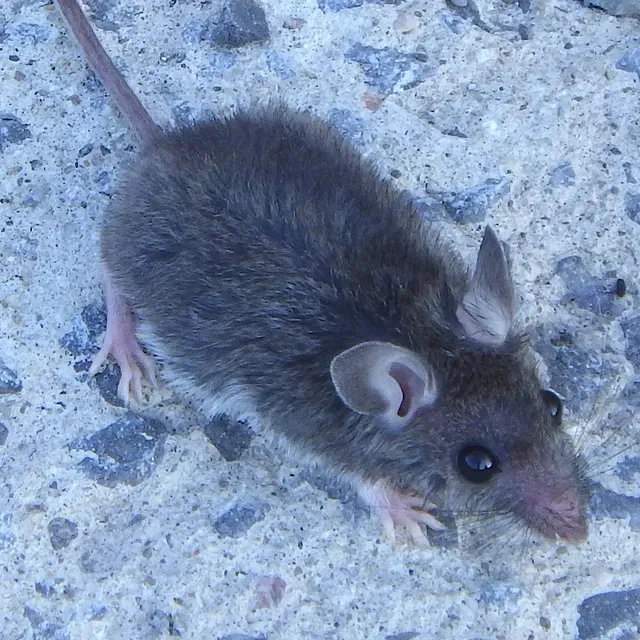
What tells you it is time to investigate?
Repeated signs inside the home are worth checking, even if you have not seen an animal. Avoid handling droppings or nesting material.
- Chewed food bags, boxes or other stored items
- Droppings appearing in the same area
- Gnaw marks or rub marks near a gap
- Recurring scratching in a wall or ceiling
Rat and mouse problems need the right plan
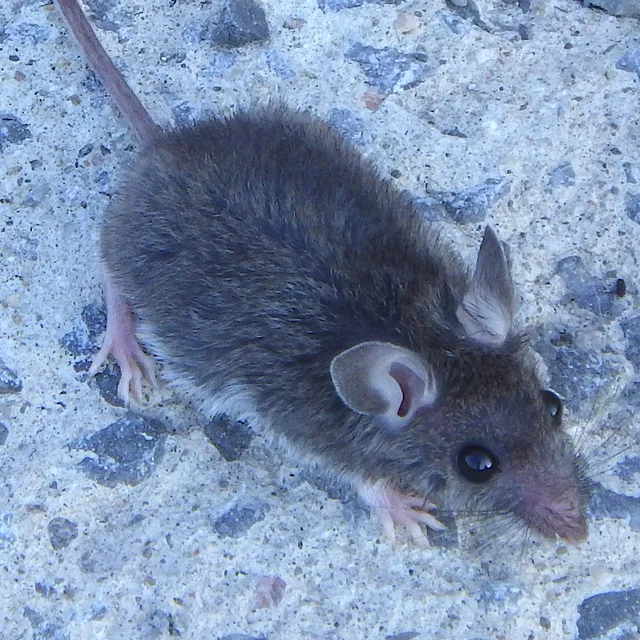
Mouse control
Small gaps around pipes, worn door sweeps and openings behind cabinets are worth checking when mice keep returning. Record which cupboards or rooms show signs. A trap may remove a mouse already indoors, but food access and an open entry route can leave the underlying problem unchanged.
Rat control
Larger droppings, gnaw marks and repeated activity near a basement or garage deserve a closer look. A young rat can be mistaken for a mouse. Ask for identification before choosing a trap or treatment. Tell the inspector about any burrows or damage near the foundation, but do not assume every hole belongs to a rat.
Not sure what it is? Describe the signs rather than guessing the species.
Start with the places mice get into your home
An Ann Arbor rodent problem does not always start with a sighting. A chewed food bag, droppings under the sink or repeated noise behind a wall can be the first clue. Note where you see activity and when it happens. Those details help an inspector work out what to check first.
For a house with a basement, include the foundation, window wells and utility openings in the inspection. In a rental or attached home, tell the property manager about activity in shared walls or common storage. Treating one kitchen may not address an opening elsewhere in the building.
A useful inspection looks beyond the room with droppings
Ask the inspector to connect the signs indoors with likely routes outside. That can mean checking accessible foundation edges, pipe penetrations, garage doors and basement windows. Point out areas you cannot reach safely. The visit should end with an explanation of the evidence, proposed treatment and what is excluded from the quote.
Basement and utility gaps
Check from a safe position for openings around pipes and cables. Do not block vents or seal an active route without a plan for animals already inside.
Garages and stored food
Keep seed and pet food in sturdy closed containers. Clear enough floor space to see new signs along walls.
Rentals and shared access
Tell your property manager where activity appears. Ask who can approve access to shared areas and any structural repairs.
Trapping and sealing do different jobs
Trapping addresses animals already present. Exclusion addresses the openings they use. Food storage, sanitation and follow-up help reduce the chance of another problem. Ask how these parts fit together for your property.
Do not assume an extermination quote includes repairs, contaminated insulation removal or cleanup. Confirm the scope before work starts. Ask about product placement and restrictions around children and pets.
Read the prevention guide →Three questions make the conversation easier
- 01
Describe what you have noticed
Have your Ann Arbor ZIP code, property type and the rooms with activity ready. Mention pets, children and hard-to-reach spaces.
- 02
Ask about the scope
Confirm inspection fees, treatment methods and whether entry-point repairs or cleanup require a separate quote.
- 03
Agree on follow-up
Before booking, ask how activity will be checked again and what happens if fresh signs remain.
Rodent control in Ann Arbor: what to ask
Can you tell whether I have rats or mice from the noise?
No. Noise alone is not enough to identify an animal. An inspection can combine the location, droppings, gnawing and entry routes. Other wildlife can also make sounds in a wall or attic.
Why do mice return after I set traps?
A trap does not close an entry point or remove every food source. Ask whether the inspection found gaps, nesting areas or a route through a shared space. Monitoring helps show whether activity is continuing.
Should I seal every opening before an inspection?
Do not blindly close active routes or block vents. Record openings you can see safely and ask how exclusion will be timed with removal. Animals already inside and the building's ventilation both need to be considered.
What should an Ann Arbor rodent quote include?
Ask for the inspection cost, treatment area, number of visits and any monitoring. Check whether sealing, cleanup or insulation work is included. There is no verified flat price published on this site.
What if I rent my home?
Notify the landlord or property manager and document the rooms affected. Arrange permission for inspection and any work to the structure. Do not assume a single-unit treatment covers shared spaces.
A clearer next step for your home
Keep your ZIP code, property type and signs of activity handy.